


DRC Moves World Cup 2026 Training to Europe, Fans Restricted Amid Ebola Outbreak
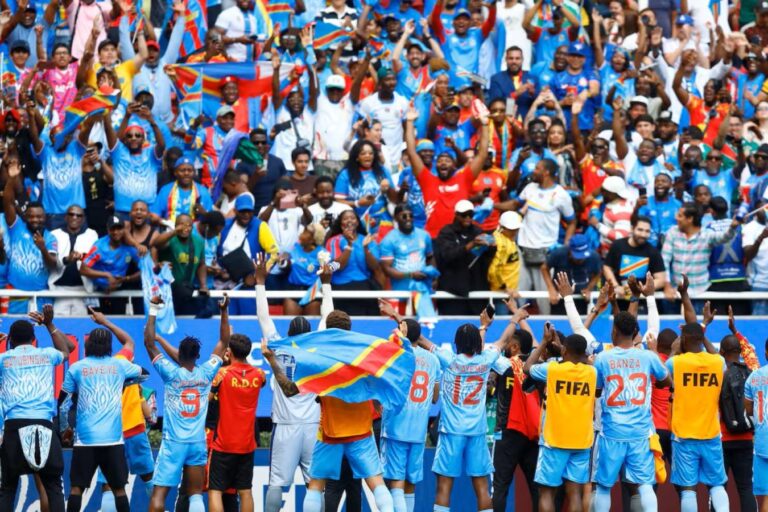
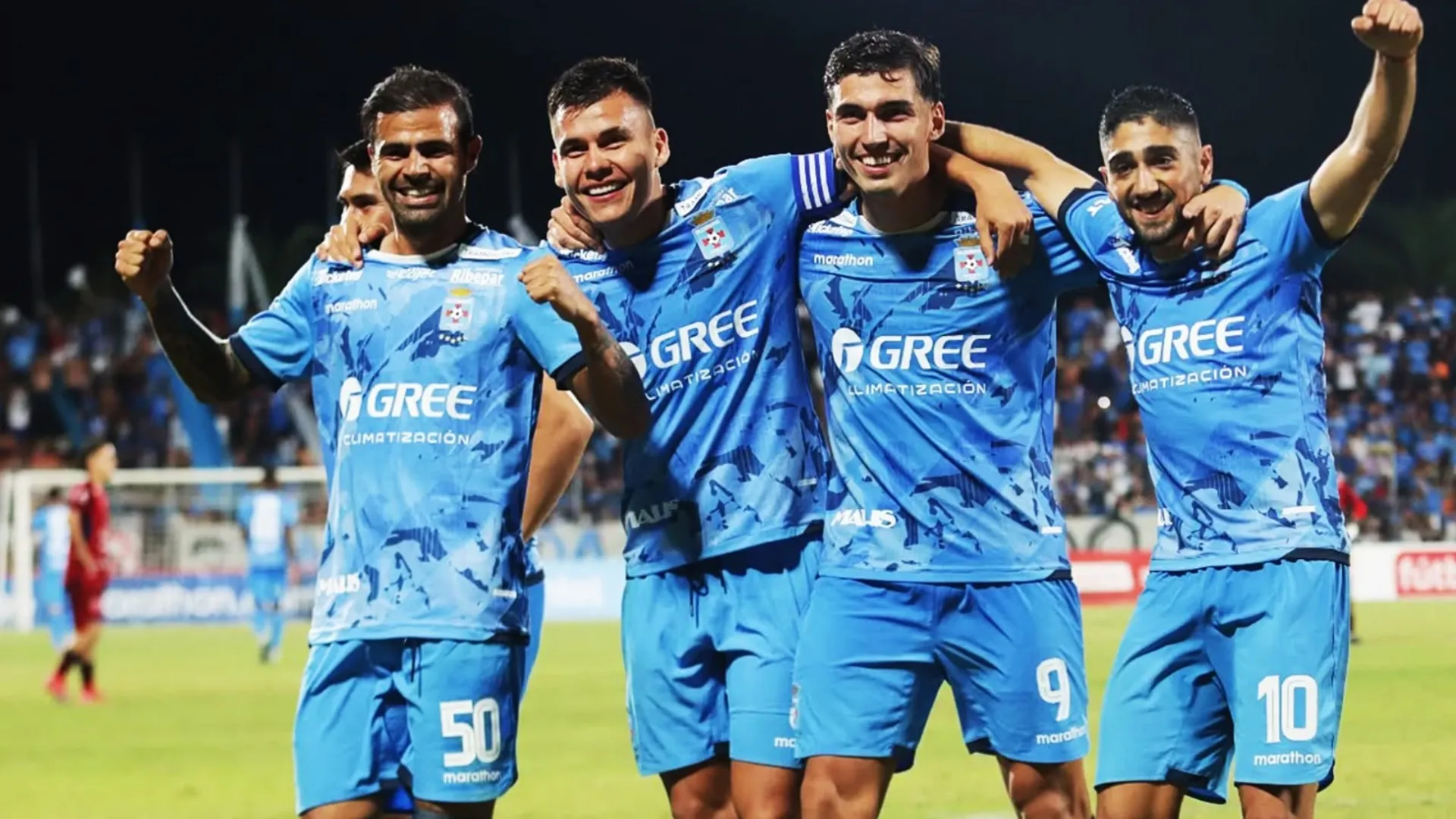
The team’s participation in the World Cup 2026 does not face any immediate risk, as both the players and the technical staff are taking proactive steps to avoid the affected regions and ensure their safety. Photo: El Grafico.
May 21, 2026 Hour: 4:32 pm
🔗 Comparte este artículo
The Democratic Republic of Congo’s national football team has relocated its World Cup 2026 training camp from Kinshasa to Europe due to a severe Ebola outbreak in the nation’s eastern provinces.
Congolese authorities officially confirmed the decision to transfer the national team’s pre-tournament preparation to Europe to guarantee a safe preparation while maintaining its schedule of international friendly matches before the FIFA World Cup 2026.
RELATED: Senegal Confirms No Official World Cup 2026 Fan Travel Amid U.S. Visa Denials
The shift involves canceling planned practice sessions in the capital city, Kinshasa, opting instead for facilities in Belgium. This measure directly responds to the growing concerns surrounding the Ebola outbreak in the eastern part of the country.
Despite the widespread health emergency affecting the country, authorities have confirmed that the team’s participation in the upcoming global tournament remains entirely secure, prioritizing the athletes’ well-being and the nation’s sporting aspirations.
Friendly Matches Scheduled
The Congolese squad’s first fixture will be held on June 3 in Liège, Belgium, where they are set to face Denmark as part of their intensive World Cup preparations. A second crucial match is planned for June 9 against Chile, which will take place in Concepción, Spain (specifically in the province of Cádiz).
These matches are vital for the team to fine-tune their strategies and build cohesion before the main tournament begins, providing essential competitive experience against international opponents.
Before the relocation, the Congolese national team was conducting its World Cup training in Kinshasa, the country’s capital. It is important to note that no cases of Ebola have been registered in Kinshasa, a city located approximately 2,000 kilometers from Ituri province, which has been identified as the epicenter of the current Ebola epidemic. This significant geographical distance underscores that the team’s move is a precautionary measure, designed to proactively mitigate any potential risks associated with the unfolding public health crisis and safeguard the players.
U.S. Fans Restrictions
This past Monday, the United States announced strict travel restrictions, limiting the entry of travelers arriving from Uganda, the Democratic Republic of Congo and South Sudan, all nations impacted by the ongoing Ebola outbreak. The measure enacted by the United States prohibits, for a period of 30 days, the entry of any citizen who has recently transited through the affected regions and casts a shadow over the participation of thousands of passionate supporters who had eagerly awaited their team’s presence on the global stage.
However, Washington has, for the moment, raised no objections regarding the Congolese team’s access to the United States for the World Cup. United States authorities have confirmed that the Department of State will implement an exceptional sanitary protocol specifically for the technical staff and team directors. Furthermore, the squad of football players called up for the competition is not affected by the ongoing outbreak, as the entirety of the team members reside and play for clubs abroad, not within the immediate epicenter of the crisis.
The “Leopards” -as the Congolese national team is affectionately known-, are set to participate in the World Cup after a 52-year absence, marking a historic return to global football. They have been drawn into Group K, where they will compete against formidable teams including Portugal, Colombia and Uzbekistan. The team’s arrival in the United States is scheduled for June 11. FIFA has confirmed that, as of now, there have been no changes to these arrangements, and the organization is continuously monitoring the evolving situation to ensure all necessary protocols are in place.
Under the leadership of French coach Sébastien Desabre, the Congolese team will make its debut against Portugal on June 17 at the NRG Stadium in Houston, United States. Their second group stage match will be against Colombia on June 23, held at the Akron Stadium in Zapopan, Mexico. The “Leopards” will conclude their group phase campaign four days later, facing Uzbekistan at the Mercedes Benz Stadium in Atlanta, United States.
Ebola Emergency Declared
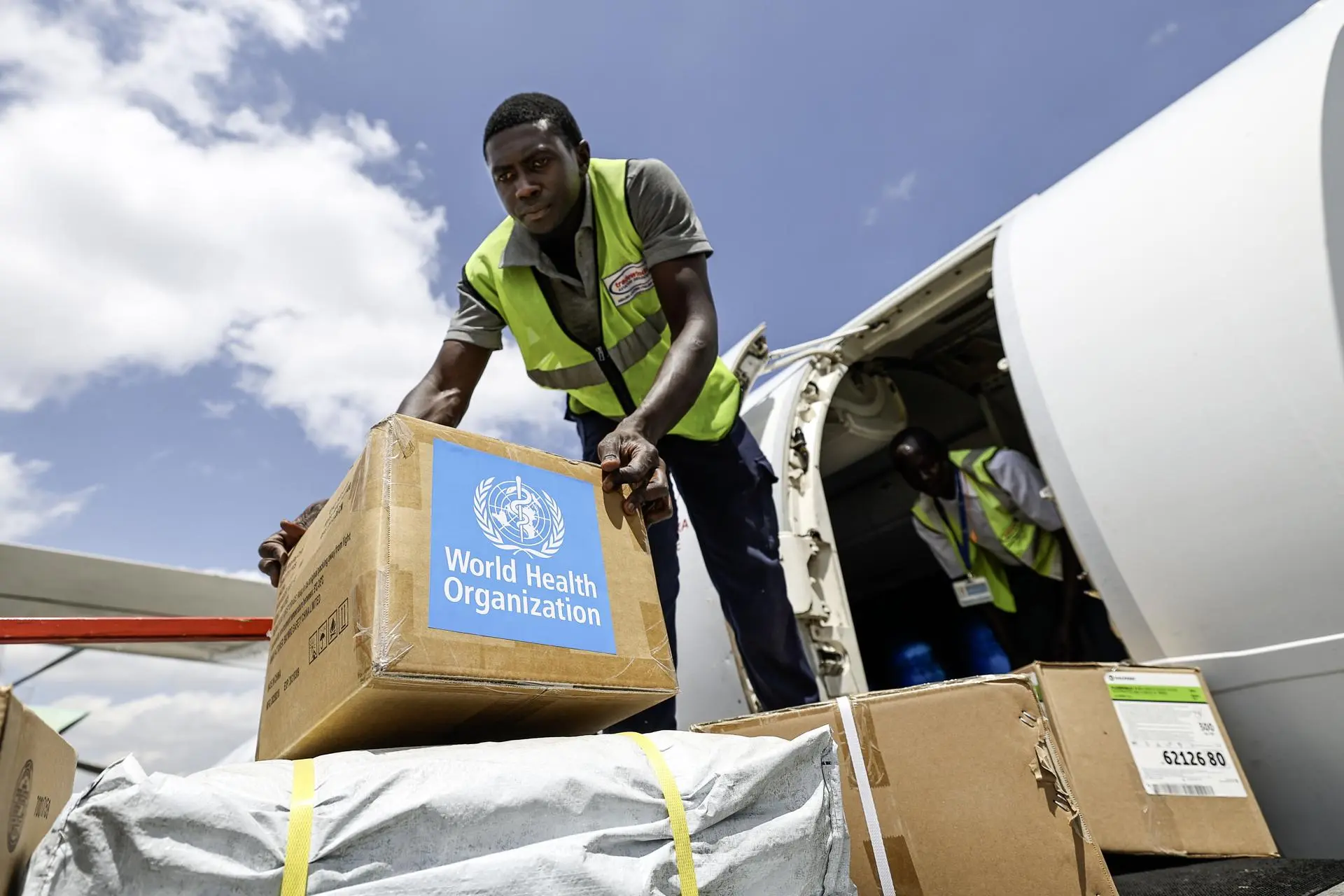
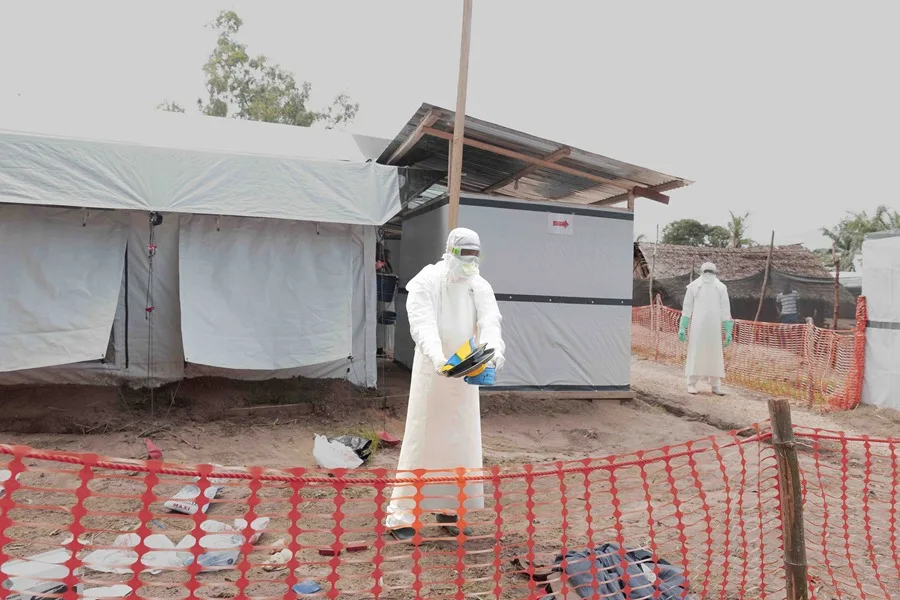
Just days before the commencement of the World Cup 2026, a rapidly spreading Ebola outbreak, identified as the Bundibugyo strain, has gripped the Democratic Republic of Congo.
The Ebola outbreak, which was officially declared last Friday, has already claimed 139 lives and resulted in 600 suspected cases across the Democratic Republic of Congo and Uganda. This particular outbreak corresponds to the Bundibugyo strain of Ebola, which, according to the World Health Organization (W.H.O.), has a lethality rate oscillating between 30% and 50%.
Given the severe and swift propagation of the virus, theW.H.O. officially declared the situation a public health emergency of international concern. This marks the seventeenth recorded Ebola outbreak in Congo since the virus was first detected in 1976, underscoring the persistent public health challenges faced by the region.
The Ebola virus is primarily transmitted through direct contact with the bodily fluids of infected persons or animals. Infection leads to a severe hemorrhagic fever, characterized by symptoms such as intense vomiting, persistent diarrhea and dangerous internal hemorrhages.
The current crisis demands sustained international attention and coordinated efforts to control its spread and protect vulnerable populations across the affected areas.
Author: Laura V. Mor
Source: Agencies